
 USD
 Spain & Europe · EUR
 Mexico · MXN
Do you know why oxidative stress occurs and WHAT IT IS?
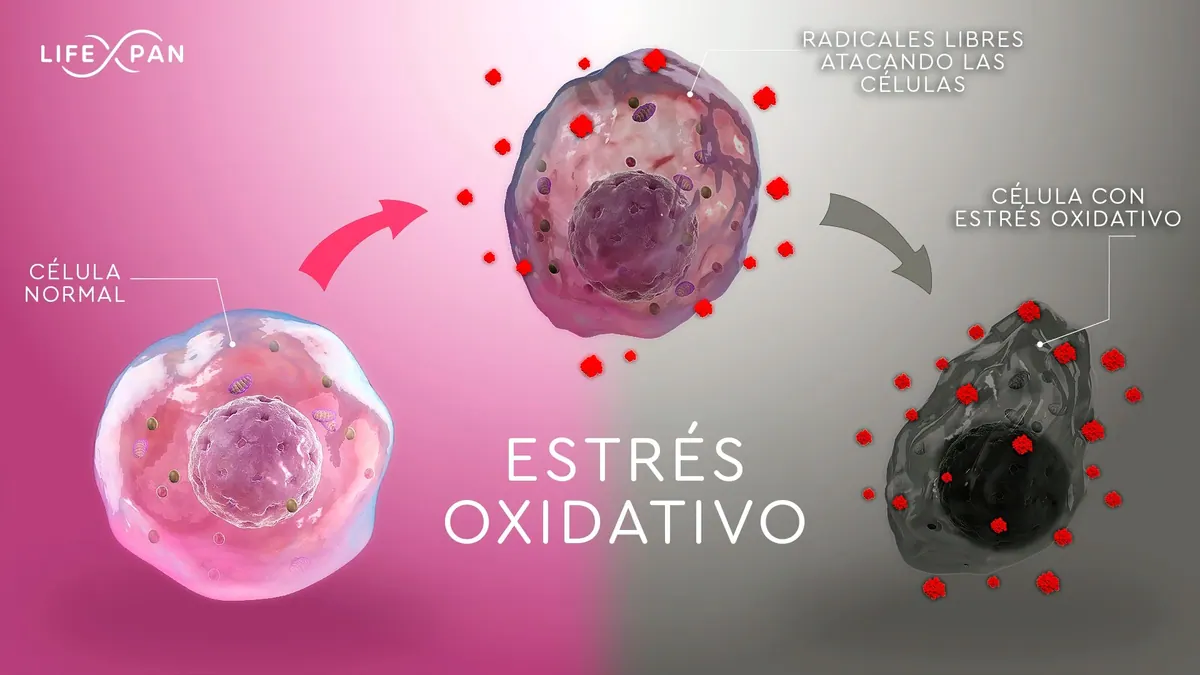
You've probably heard people talk about oxidative stress, but can't quite work out what it actually is.
Why does oxidative stress occur?
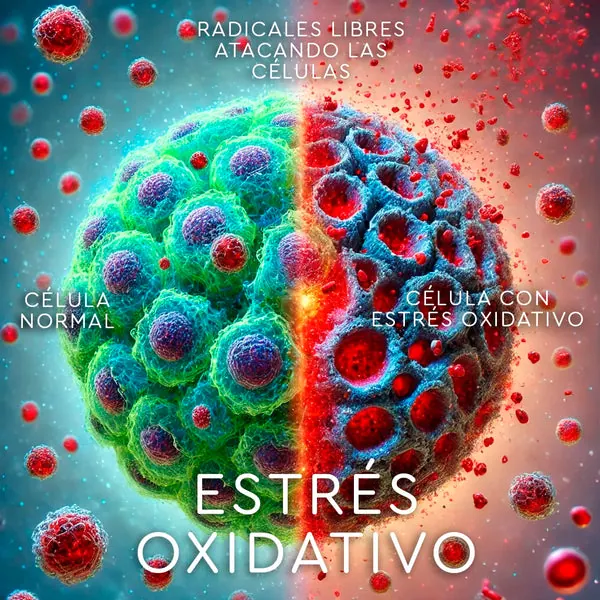
Oxidative stress occurs when there's an imbalance between the production of free radicals (unstable molecules that damage cells) and the body's ability to neutralise them with antioxidants. This imbalance can be caused by external factors such as exposure to pollutants, smoking and radiation, or by internal processes like cellular metabolism. Free radicals attack essential cellular components such as proteins, lipids and DNA, which contributes to chronic disease and ageing.
Scientific Evidence
Anything with a label in medicine usually has several reports explaining the reasoning behind it. Although often we humans invent names just to feel reassured, giving things a label so we can identify them.
Oxidative stress is known by several related terms, such as:
1. Cellular oxidative stress
2. Oxidative damage
3. Mitochondrial oxidative stress
4. Redox imbalance
5. Damage from reactive oxygen species (ROS)
Common Causes of Oxidative Stress
If you follow any longevity advice network, you've probably wondered why people protect their skin so much from the environment in general. The reason is that the evidence suggests some factors "wear down" (so to speak) our biology faster than others.
1. Exposure to pollutants: Such as cigarette smoke and pollution.
2. UV radiation: Excessive sunlight generates free radicals.
3. Poor diet: Lack of antioxidants such as vitamins C and E.
4. Smoking and alcohol: Increase the production of free radicals.
5. Chronic stress and a sedentary lifestyle: Contribute to ROS production.
So the findings show that:
1. Generation of Free Radicals: According to a study published in Frontiers, the overproduction of free radicals in the mitochondria and the activation of certain enzymes, such as NADPH oxidase, are key to the cell damage that causes oxidative stress. This happens when the body can't maintain an antioxidant balance due to high production of reactive oxygen species (ROS) .
2. Cell Damage and Ageing: A report on NCBI highlights that oxidative stress is linked to ageing and chronic disease, due to the accumulation of damage to proteins, lipids and DNA. This damage promotes cellular dysfunction, which accelerates age-related diseases such as Alzheimer's and cardiovascular disease .
3. Antioxidants and Cell Protection: Antioxidants, both endogenous and exogenous (derived from the diet), play a crucial role in neutralising free radicals and protecting cells. Studies show that enzymatic antioxidants such as superoxide dismutase and catalase are essential for reducing oxidative damage .
How to avoid (slow down) oxidative stress through diet
The best advice for managing oxidative stress through diet is to include foods rich in antioxidants. These nutrients help neutralise the free radicals that cause cell damage.
Some recommended foods:
1. Fruit and vegetables: Rich in vitamins C and E (strawberries, oranges, spinach).
2. Whole grains: Such as oats, rich in fibre and antioxidants.
3. Nuts and seeds: Provide omega-3 fatty acids.
4. Green tea: Contains polyphenols that fight oxidative stress.
6. Dark Chocolate (85%+): It has also been shown to encourage the production and mobility of stem cells.
Incorporating these foods into your daily diet can help prevent oxidative damage and improve your health.
Are there food supplements to (slow down) oxidative stress?
Here are some food supplements suitable for all ages that help combat oxidative stress:
1. Vitamin C: A powerful antioxidant that protects cells from oxidative damage.
2. Vitamin E: Helps neutralise free radicals in fatty tissues.
3. Coenzyme Q10: Improves mitochondrial function and reduces oxidative damage.
4. Omega-3: Omega-3 fatty acids, found in fish oil, reduce inflammation and oxidative stress.
5. Selenium: A mineral that strengthens the body's natural antioxidants.
6. Resveratrol: An antioxidant found in grapes and supplements that protects against cellular ageing. Although personally I'm not that keen on resveratrol if you exercise.
7. LifeXpan® NR: Nicotinamide Riboside (NR) raises NAD+ levels, improving cellular energy and reducing oxidative stress, which can help combat cellular ageing and promote longevity.
These supplements, combined with a balanced diet, can help prevent oxidative stress at any age.
anti-envejecimiento nutrition tips oxidative stress