
 USD
 Spain & Europe · EUR
 Mexico · MXN
Will you get sick if you go out with wet hair?: Debunking Winter Myths Part I

“Don't go out with wet hair or you'll catch a cold”, “wrap up warm, it's freezing and you could get ill”, “watch out for the change in temperature, it'll give you a cold”. How many times have we heard these expressions? Myth or reality? The truth is that, said like this, they make us believe that cold alone has the power to make us ill.
And the truth is, it doesn't, but in some way they're onto something. Let us explain.
The Three Ghosts of the Common Cold: Myths Under the Microscope
Our culture is full of claims that point to low temperatures as the enemy: the image of leaving the house with damp hair, even in a tropical country after a downpour, is directly linked to coughing and feeling unwell. With the change of season, it's assumed that illness comes hand in hand with falling leaves and the cold. There's also the belief that going from a warm interior to a cold exterior (or an autumn day that suddenly turns freezing) is instant poison for your health.
These stories all share a fundamental error: they blame the messenger (the cold) instead of the real culprit.

Science is clear and unequivocal: the common cold is always caused by a virus, mainly rhinovirus. If you haven't come into contact with the virus, you could bathe in the Arctic and still not fall ill. Icy water and cold air aren't infectious agents; instead, they're a risk factor.
This is where the myth finds its logical basis. The warning was never really about the water, but about susceptibility.
When the body experiences a sudden drop in temperature, whether from freezing winter air, a sharp contrast in temperature, or heat loss through water evaporating from your head, it triggers an emergency mechanism. This mechanism is vasoconstriction, which narrows the small blood vessels in the nose and airways. Picture your nose as a well-guarded fortress; vasoconstriction is like the cold ordering the elite guards (immune cells) to temporarily retreat and protect the central zone (vital organs).
As blood flow drops, local defences slow down. This pause creates a window of opportunity for a virus already floating in the air to settle in and multiply before it's detected. On top of that, the cold makes the rhinovirus more efficient at replicating in the slightly lower temperatures of your nasal cavity.
In essence, cold doesn't make you ill, but it gives the virus a strategic advantage over your inner army.
Shielding the Fortress: Tips to Avoid Colds
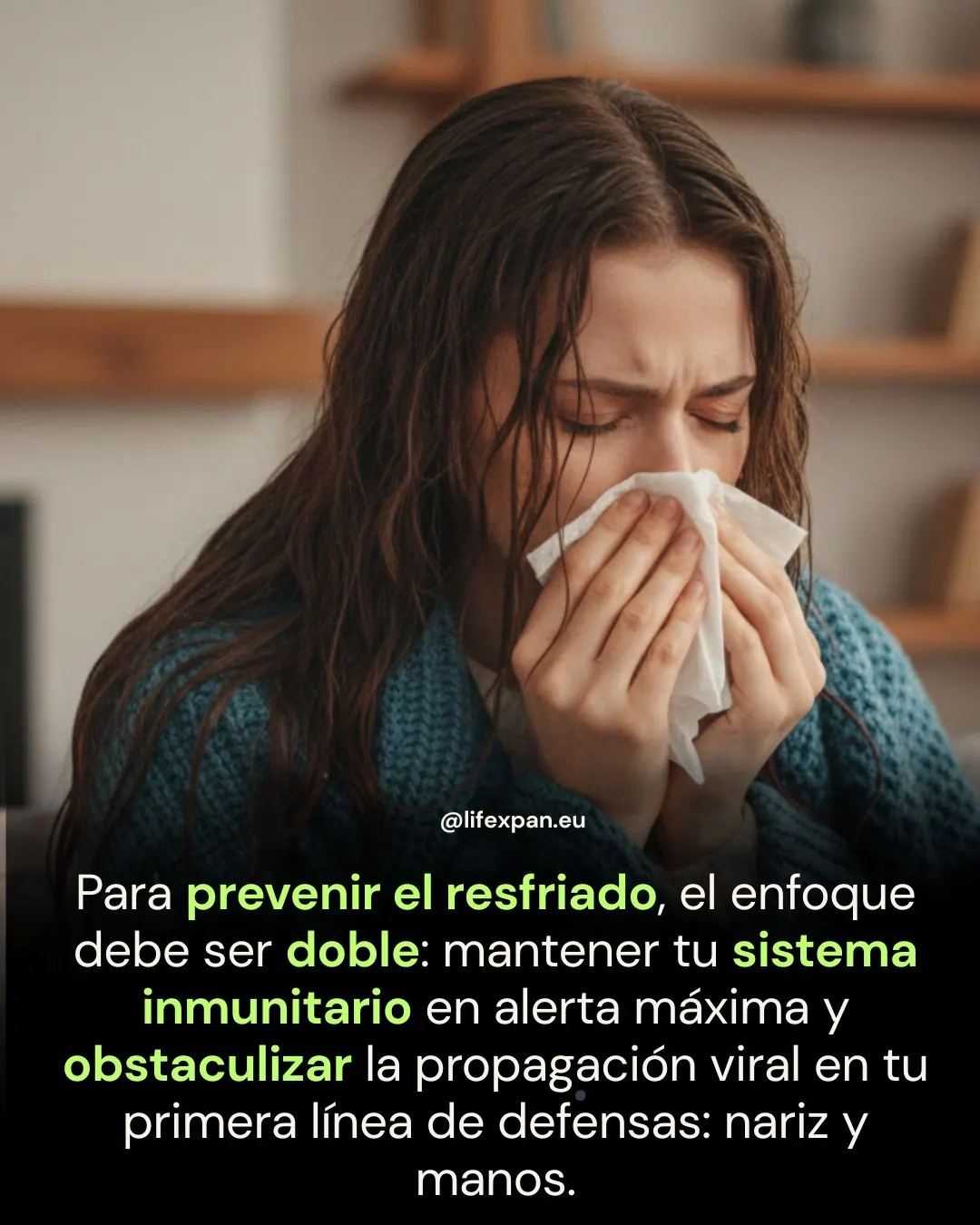
To prevent colds, the approach needs to be twofold: keep your immune system on high alert and hinder viral spread.
1. The First Line of Defence: Nose and Hands
Your nose is the main entry point, and moisture is its best ally. Since cold air and central heating dry out the mucous membranes, consider using a humidifier to keep the air between 40% and 60% humidity. This moisture doesn't just protect your mucosa, it also helps viral particles fall to the ground instead of staying airborne.
Using nasal washes with saline solution works like a daily clean-up of the fortress, clearing away particles and keeping the barrier hydrated.
Of course, rigorous hygiene remains the most effective shield. Wash your hands often and be mindful not to touch your eyes, nose or mouth.
2. Boosting Your Internal Immune System
A strong immune system is a well-fed and well-rested army:
Non-negotiable Sleep: Sleep is the body's repair workshop. Sleeping less than seven hours a night compromises the production of cytokines, the essential proteins for fighting infection. Prioritising rest is a fundamental line of defence.
Thermal Management and Ventilation: Dress in layers to adapt to sudden temperature changes and avoid thermal shock. Indoors, open the windows often. Ventilation acts as a natural solvent, dispersing the concentration of viruses that build up in enclosed spaces.
3. Nutrition: Fuel for the Battle
A balanced diet rich in vitamins, minerals and antioxidants is the foundation. However, in cold weather or when your diet falls short, certain supplements can act as essential reinforcements:
Vitamin D: This vitamin acts as a conductor of the immune system. Since its main source is sunlight, supplementation is critical during the winter months in many latitudes to maintain optimal levels and keep the immune response ready.
Omega-3: Mainly DHA and EPA, these essential fatty acids have anti-inflammatory properties that help modulate the immune response, ensuring it's effective without being disproportionate. It's an excellent complement for those who eat little fish.
Supporting Vitamins and Minerals: Make sure you're getting enough Zinc and Vitamin C, micronutrients that are pillars for the function of your defence cells.
Compounds: More advanced supplements such as Nicotinamide Riboside (NR), a precursor of NAD+, are being studied for their role in cellular efficiency and repair, which could indirectly support the resilience of the immune system as a whole.
Conclusions
Ultimately, science doesn't discredit popular wisdom, it gives it logic. We've learned that cold, wet hair or sudden changes in temperature aren't the thief that causes the common cold, but rather the key that temporarily weakens the lock on our local immune system.
True protection lies in understanding this dynamic: minimising thermal stress, ventilating spaces to disperse viral concentration and, above all, ensuring our inner army is well fed, rested and reinforced with essential allies such as Vitamin D.
Let's stop fearing the cold and instead focus our efforts on keeping our nasal fortress moist and impeccable, ready to repel rhinovirus at any moment.
Sources used
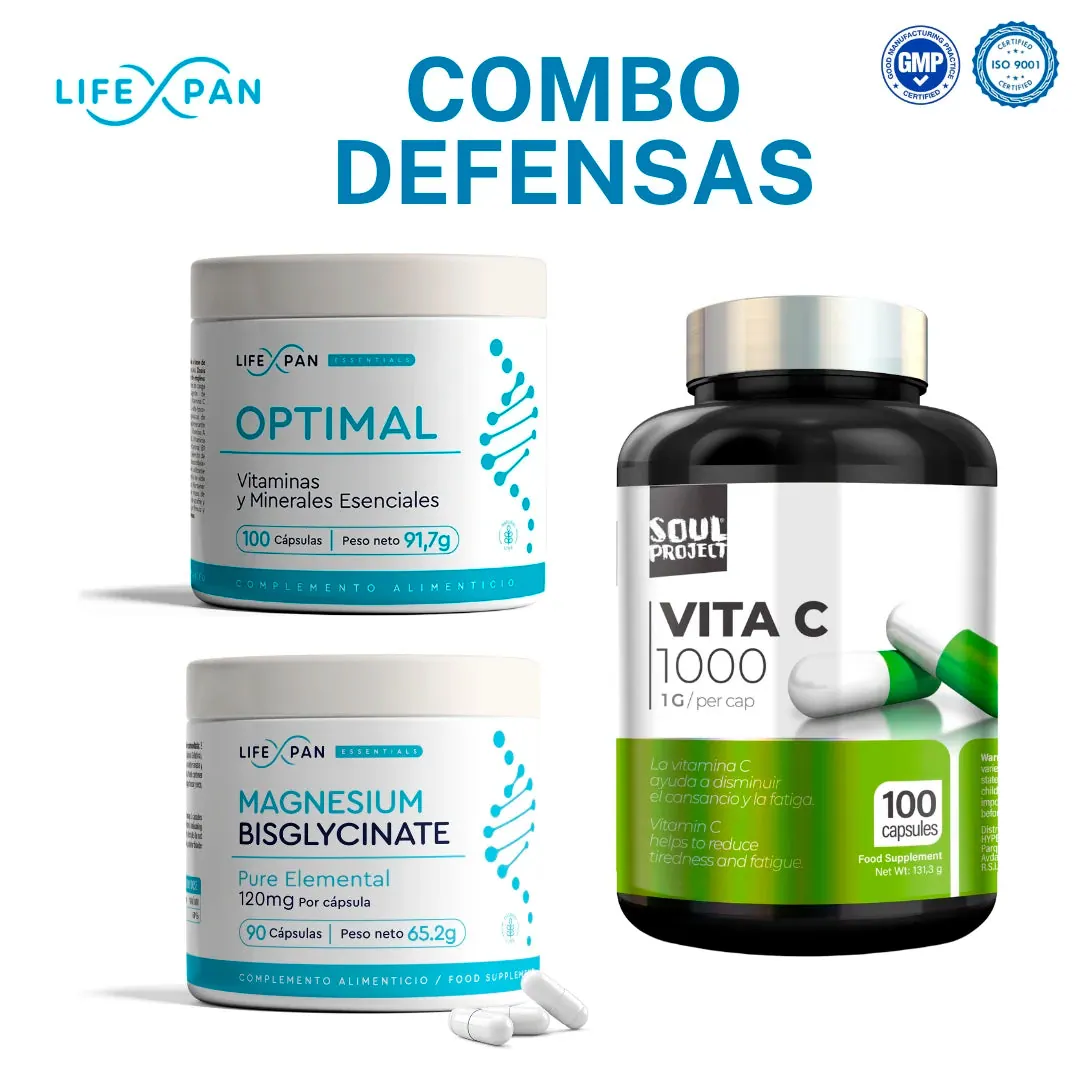
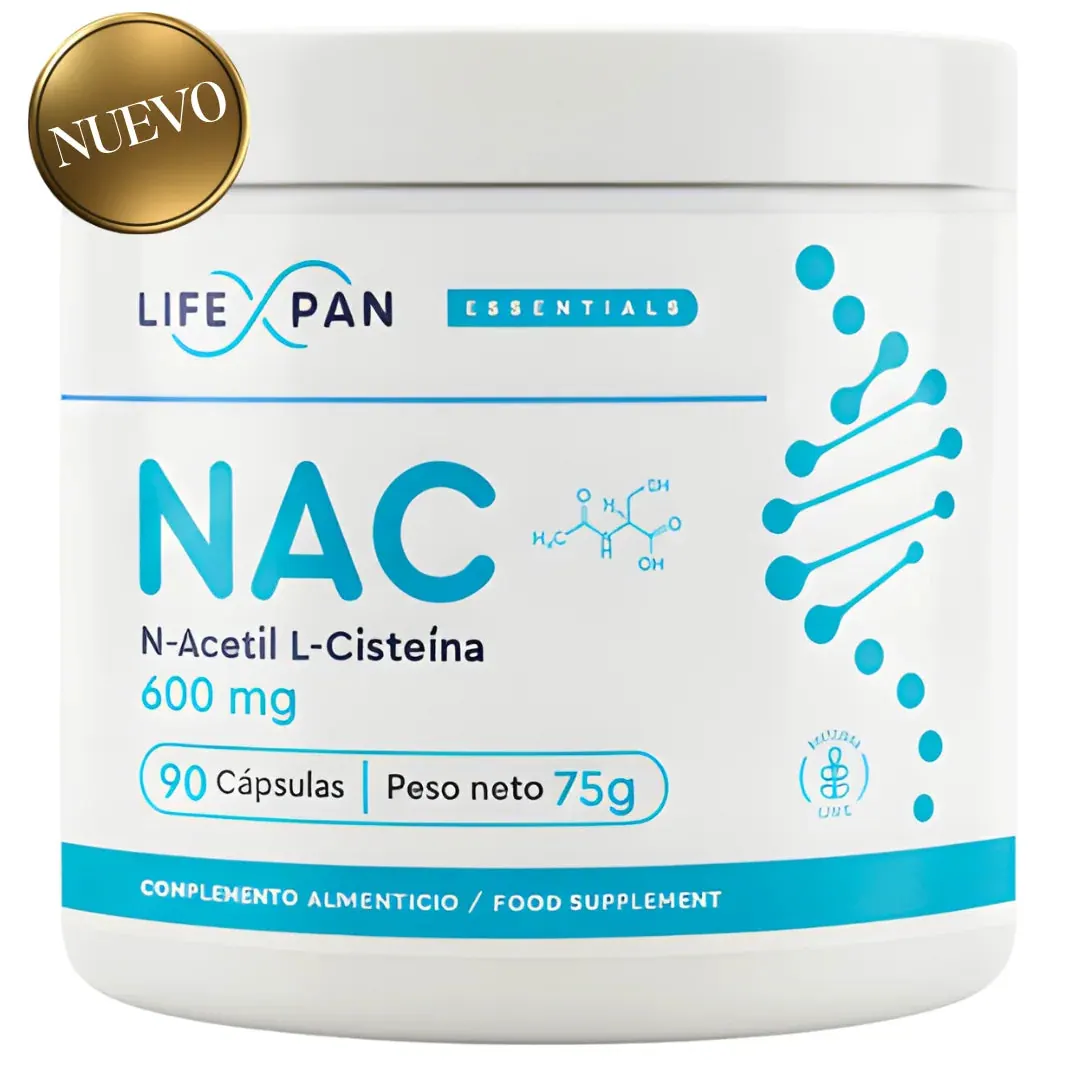
And if you're looking to keep your immune system in excellent condition, we recommend two things: our Defences Combo, with vitamins and minerals that help optimise metabolism and combat fatigue, and also our NAC (N-Acetyl L-Cysteine), 90 capsules. With 600 mg of NAC per capsule, this supplement helps restore and raise glutathione levels, the essential antioxidant for combating oxidative stress and inflammation, and has also been shown to contribute to respiratory health, among other benefits. On our Lifexpan website you'll also find Vitamin D, other essential vitamins and minerals, Omega 3 and the NR mentioned in this article.
Defences Combo
NAC (N-Acetyl L-Cysteine)
thermal shock health how to prevent winter colds low immunity cold Omega-3 index inmunidad health myths winter myths cold myths nicotinamide riboside nicotinamide riboside nr omega 3 omega immunity wet hair cold cold prevention immune system Sleep cold supplements vitamin D supplements vasoconstriction nasal vasoconstriction vitamin c vitamin d vitamin D cold zinc