
 USD
 Spain & Europe · EUR
 Mexico · MXN
N-Acetylcysteine (NAC), Complete Guide: an antioxidant ally
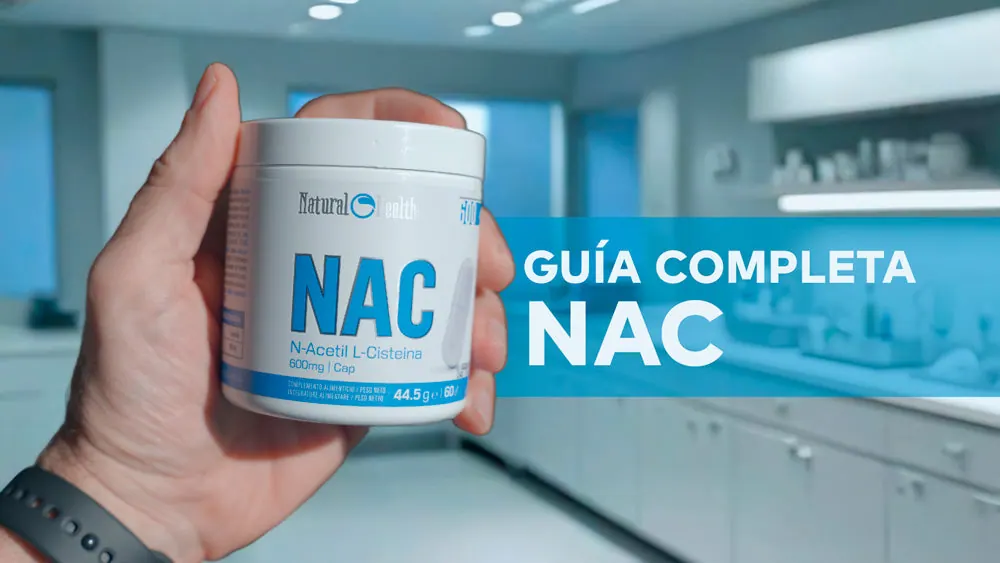
What is NAC?
N-acetylcysteine, known as NAC, is a form of the amino acid cysteine with powerful antioxidant and mucolytic effects. In the body, NAC helps produce glutathione, the “master antioxidant” that protects our cells from oxidative damage. In fact, NAC is so effective that it's used in hospitals as an antidote for paracetamol overdose, restoring glutathione levels in the liver and preventing serious liver damage.
In recent years, numerous meta-analyses have explored new uses for NAC across a range of health issues. Below, we explain how this supplement could benefit certain common conditions, who might need it most, with data backed by recent studies, and which other supplements it works synergistically with to enhance its effects.
NAC and longevity: restoring glutathione levels
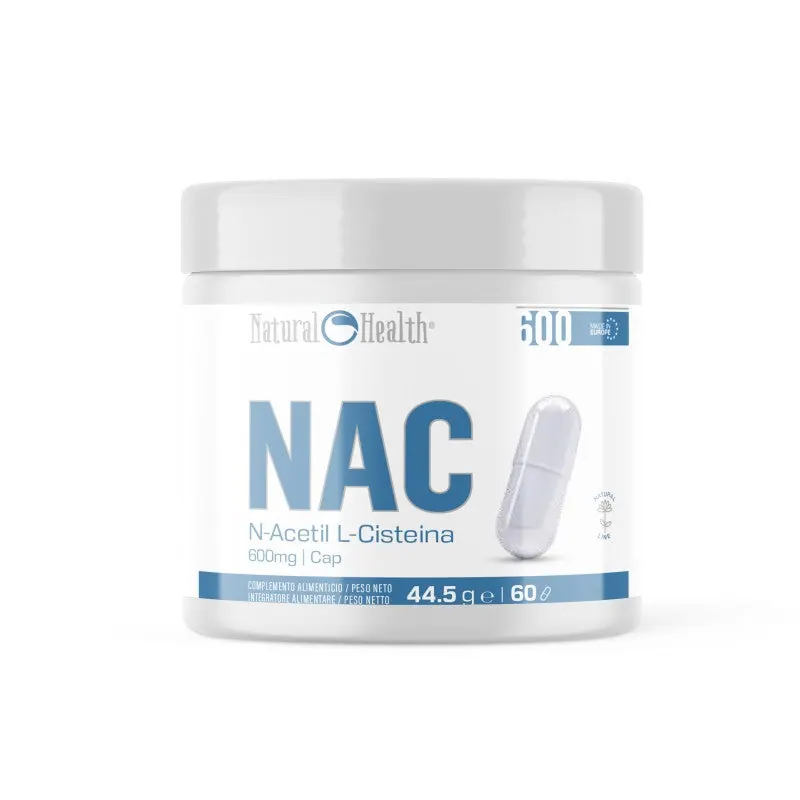
N-acetylcysteine (NAC) is linked to longevity mainly through its role in restoring glutathione levels, the body's master antioxidant. As we age, glutathione levels tend to decline, which encourages increased oxidative stress and inflammation—two key processes that contribute to cellular deterioration and, ultimately, ageing. By acting as a precursor to glutathione, NAC helps neutralise free radicals and protect cells from oxidative damage, which may help slow the decline of cellular and tissue function.
What's more, recent studies have shown that NAC supplementation (especially when combined with other nutrients such as glycine in the GlyNAC formula) improves mitochondrial function, reduces inflammatory markers and supports better metabolism in older adults. These effects, which translate into improved overall health and functional capacity, are indirect indicators of healthier ageing and, potentially, greater longevity.
Health issues where NAC may help
Thanks to its antioxidant and anti-inflammatory properties, NAC has been studied as a complementary treatment for various conditions. Here are some current health issues where there is evidence of benefit:
NAC for fertility and Polycystic Ovary Syndrome (PCOS)
Polycystic Ovary Syndrome (PCOS) is a very common hormonal disorder in young women – it affects around 5–15% of women of reproductive age. It causes hormonal imbalances, ovulation problems, infertility and often insulin resistance. This is one area where NAC has shown notable benefits. Thanks to its insulin-sensitising and antioxidant properties, NAC may improve ovarian function. A meta-analysis that pooled 8 trials involving almost 1,000 women with PCOS found that those taking NAC had a higher rate of ovulation and pregnancy than those taking a placebo alone. In other words, NAC increased the likelihood of achieving regular ovulation and conceiving in women with PCOS-related infertility. Another study reported that combining NAC with standard treatment (for example, clomiphene) led to pregnancies in patients who had previously not responded to treatment alone. NAC also helps correct metabolic disturbances associated with PCOS: studies have found that it reduces elevated testosterone and improves insulin action, contributing to more regular cycles. So, for women with PCOS trying to conceive, NAC stands out as a safe supplement that may support fertility, improving ovulation and hormonal balance.
NAC for health in older adults and oxidative stress
With age, our natural antioxidant defences decline and oxidative stress and chronic inflammation increase, contributing to problems ranging from a weaker immune system to muscle frailty. NAC could be useful in promoting healthier ageing. For example, in one study, postmenopausal women took NAC for 4 months and their immune responses improved to resemble those of younger women, boosting the activity of defensive cells and blood glutathione levels. This suggests that replenishing glutathione with NAC may strengthen the immune system in later life. Another line of research combines NAC with glycine (another amino acid) in a formula called GlyNAC. In a clinical trial, older adults who took GlyNAC for 16 weeks showed surprising improvements across multiple ageing “markers”: the glutathione deficit was corrected, oxidative stress and inflammation decreased, mitochondrial (energy) function improved, and improvements in physical strength and walking speed were even reported. The authors conclude that GlyNAC managed to reverse several age-related abnormalities. Although these are early studies, they suggest that older people could benefit from NAC (alone or with glycine) to mitigate the effects of ageing, keeping their cells more protected and functional.
NAC in Respiratory diseases (COPD and chronic bronchitis)
NAC has long been used as a mucolytic to loosen mucus in the bronchi. Meta-analyses involving thousands of patients show it can reduce exacerbations in chronic lung diseases. In people with chronic bronchitis or COPD (chronic obstructive pulmonary disease), taking NAC reduced the risk of flare-ups (worsening episodes) by around 25% compared with not taking it. This protective effect was more evident at higher doses (≥1200 mg per day) and in patients with mild chronic bronchitis, although it also helped in moderate COPD. Furthermore, NAC is safe and well tolerated at these doses, without increasing adverse effects. In short, for many smokers or older adults with COPD, NAC could translate into fewer “chest infections” per year and better lung function.
NAC and Mental health: depression and obsessive-compulsive disorder
NAC has gained attention as a complementary treatment in psychiatric disorders that are resistant to conventional treatments. For example, in treatment-resistant depression (including bipolar depression), adding NAC to standard treatment significantly improved depressive symptoms compared with placebo. A recent meta-analysis involving 904 patients found that 8 to 24 weeks of NAC (1,000–3,000 mg daily) reduced the severity of depression in a modest but significant way compared with not adding NAC. In obsessive-compulsive disorder (OCD), which affects millions of people worldwide, around 40–60% of patients fail to achieve an adequate response with standard medication alone. In these difficult cases, trials indicate that NAC may offer support: a meta-analysis of 6 studies in moderate to severe OCD showed an improvement in obsessive-compulsive symptoms after 6 weeks of NAC alongside antidepressants. Patients who took NAC scored slightly better on the OCD scale (Y-BOCS) than those who took placebo alone (a significant improvement, right at the threshold of statistical significance, p = 0.05). Although the effect is not dramatic, it suggests that NAC could help ease obsessive thoughts and compulsions when standard treatments aren't enough. Important: in both disorders, NAC is used as a complementary therapy (it does not replace the main medications), and further studies are needed to refine the optimal dose and duration.
NAC and Support for addictions and compulsive behaviours
Another promising area is the use of NAC to reduce craving (the urge or compulsion) in addiction. Addiction is a huge public health problem — it's estimated that almost 40 million people had a substance use disorder in 2021 . The key feature is the intense urge to consume, which makes quitting so difficult. NAC, by modulating the neurotransmitter glutamate in the brain, has been shown to reduce these addictive cravings. A meta-analysis of 11 clinical trials found that NAC significantly reduced craving scores across different types of addiction (cocaine, cannabis, tobacco, alcohol, etc.) compared with placebo . The size of the reduction was moderate (standardised difference of -0.61) , which is encouraging given how difficult it is to treat craving. Although the evidence is still considered preliminary, these findings suggest that NAC could be an ally for people trying to quit drugs or smoking, helping them cope better with the urge to use. What's more, NAC was well tolerated in these studies, with no more side effects than placebo .
NAC in Autism and neurodevelopmental disorders
In children and young people with autism spectrum disorder (ASD), NAC has also been studied to ease certain symptoms. Autism often involves irritability, repetitive behaviours and elevated oxidative stress in the body. Several small trials have tested NAC in children with autism, and a recent meta-analysis found positive results: after 8 to 12 weeks of NAC, reductions in irritability and hyperactivity were observed, along with improvements in sociability compared with placebo . In other words, children taking NAC were somewhat calmer and showed greater social awareness than before . These effects may be due to NAC restoring glutamate balance in the brain and strengthening the antioxidant system, which tends to be out of balance in autism. While it is not a cure for autism, these findings suggest that NAC, under medical supervision, could be a useful addition for managing disruptive behaviours in some autistic children, improving their quality of life and that of their families.
Who might need NAC the most?
To sum up the above, these profiles of people could particularly benefit from N-acetylcysteine supplementation (always under professional guidance):
- Older adults with high oxidative stress: elderly people, especially those with chronic illnesses, who experience fatigue, weakness or lowered defences. NAC can boost their glutathione antioxidant levels, supporting their immune system and overall health .
- Smokers or patients with COPD/chronic bronchitis: usually older adults with recurrent productive coughing. NAC can help them experience fewer respiratory flare-ups and better lung function .
- Women with polycystic ovary syndrome (20–40 years old): NAC supports ovulation and fertility, increasing the likelihood of pregnancy and improving hormonal balance .
- People with treatment-resistant mental health conditions: for example, major depression or bipolar disorder that doesn't fully respond to antidepressants, or treatment-resistant OCD. Adding NAC may reduce residual symptoms of depression and obsessions/compulsions , improving mental wellbeing.
- Individuals in addiction recovery: those working to quit smoking, alcohol or other drugs. NAC could reduce cravings and support abstinence by calming the excitability of the brain's reward circuit .
- Children and adolescents with autism: in some selected cases, NAC has been shown to improve irritability and behaviour (under medical supervision) , supporting comprehensive ASD therapies. (consult a specialist)
NAC dosage
Every case is different, so it's advisable to consult a healthcare professional before starting NAC, to assess the appropriate dose (typically 600–1800 mg/day depending on the condition) and confirm its suitability.
Powerful synergies
NAC + Curcumin:
Curcumin is the one that shows a proven synergy with NAC. This combination enhances both their antioxidant and anti-inflammatory effects: while NAC supports glutathione synthesis (the body's main antioxidant), curcumin helps modulate inflammatory pathways and reduce oxidative stress. Studies have shown that combining the two provides greater cellular protection and an improved anti-inflammatory response compared with using each one individually. This makes the pairing of NAC and curcumin a very appealing option for a pack focused on tackling inflammatory processes and oxidative damage.
Yes, there is evidence supporting the synergy between NAC and curcumin. For example, a study published in Oxidative Medicine and Cellular Longevity assessed how the combination of N-acetylcysteine and curcumin enhanced antioxidant activity in models of oxidative stress, showing that together they reduce inflammatory markers and oxidative damage more effectively than either does alone.
This research, by Wang et al. (2016), is a useful reference for understanding the combined mechanisms of action and how both supplements could be brought together in a pack that boosts antioxidant and anti-inflammatory effects. I'd recommend taking a look at it to dig deeper into the evidence behind this synergy.
NAC + Magnesium Bisglycinate
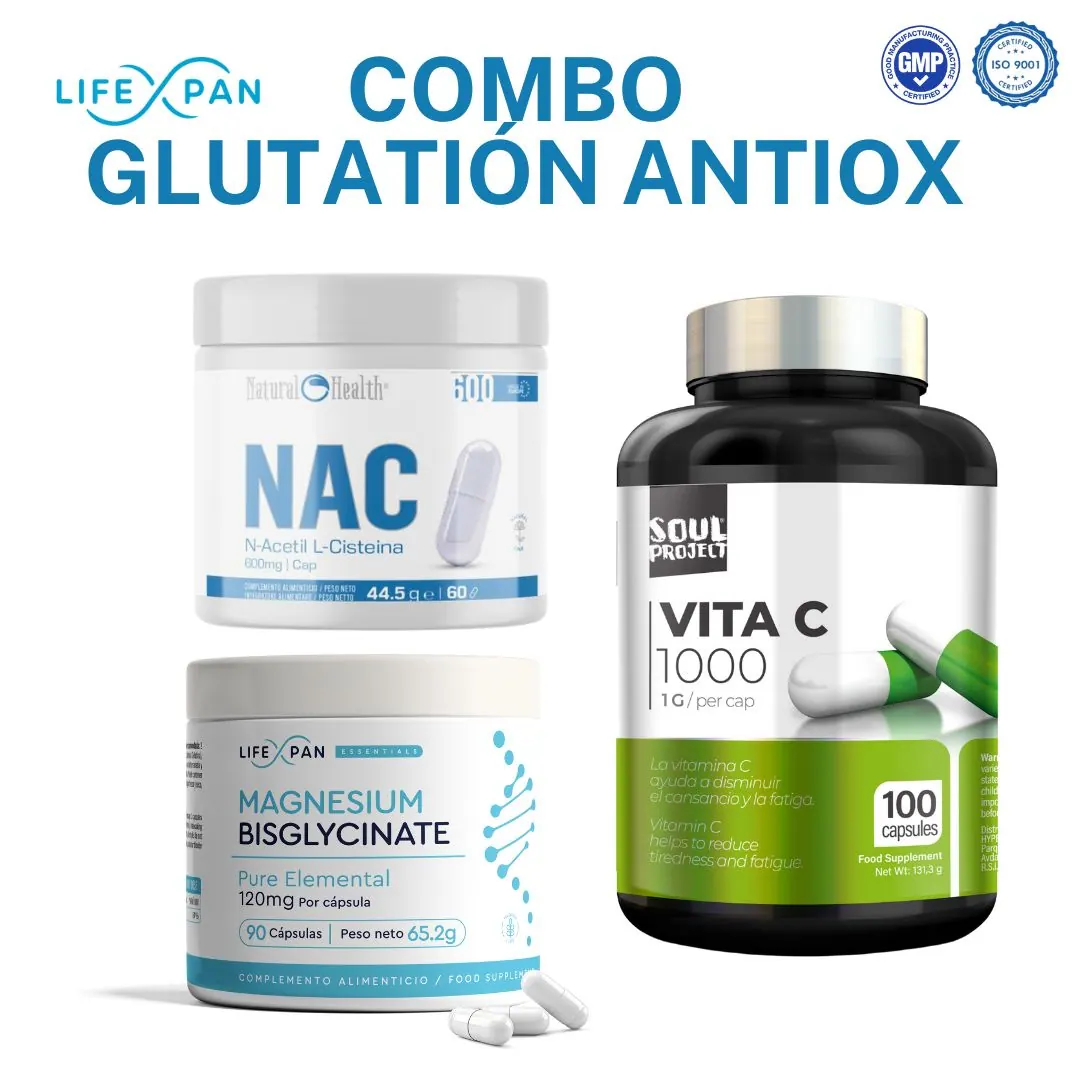
The synergy between N-acetylcysteine (NAC) and magnesium bisglycinate is based on the complementary interaction of their mechanisms:
• Optimising the antioxidant system:
NAC is a powerful precursor of glutathione, the body's main cellular antioxidant. Magnesium, meanwhile, is an essential cofactor for various enzymes involved in the synthesis and regeneration of antioxidants, including glutathione. When combined, magnesium can support the activity of these enzymes, potentially maximising NAC's antioxidant capacity.
• Improving cellular metabolism:
Magnesium is vital for mitochondrial function and energy metabolism. Good mitochondrial function is key to fighting oxidative stress and maintaining cellular health. By complementing NAC (which helps neutralise free radicals), magnesium bisglycinate could help support better cell performance and help prevent oxidative damage.
• Supporting the inflammatory response:
Both nutrients have properties that help reduce oxidative stress and inflammation. While NAC acts directly on glutathione production, magnesium modulates the inflammatory response at cellular level, which can result in a complementary effect in protecting cells from damage.
More Supplements that Work in Synergy with NAC
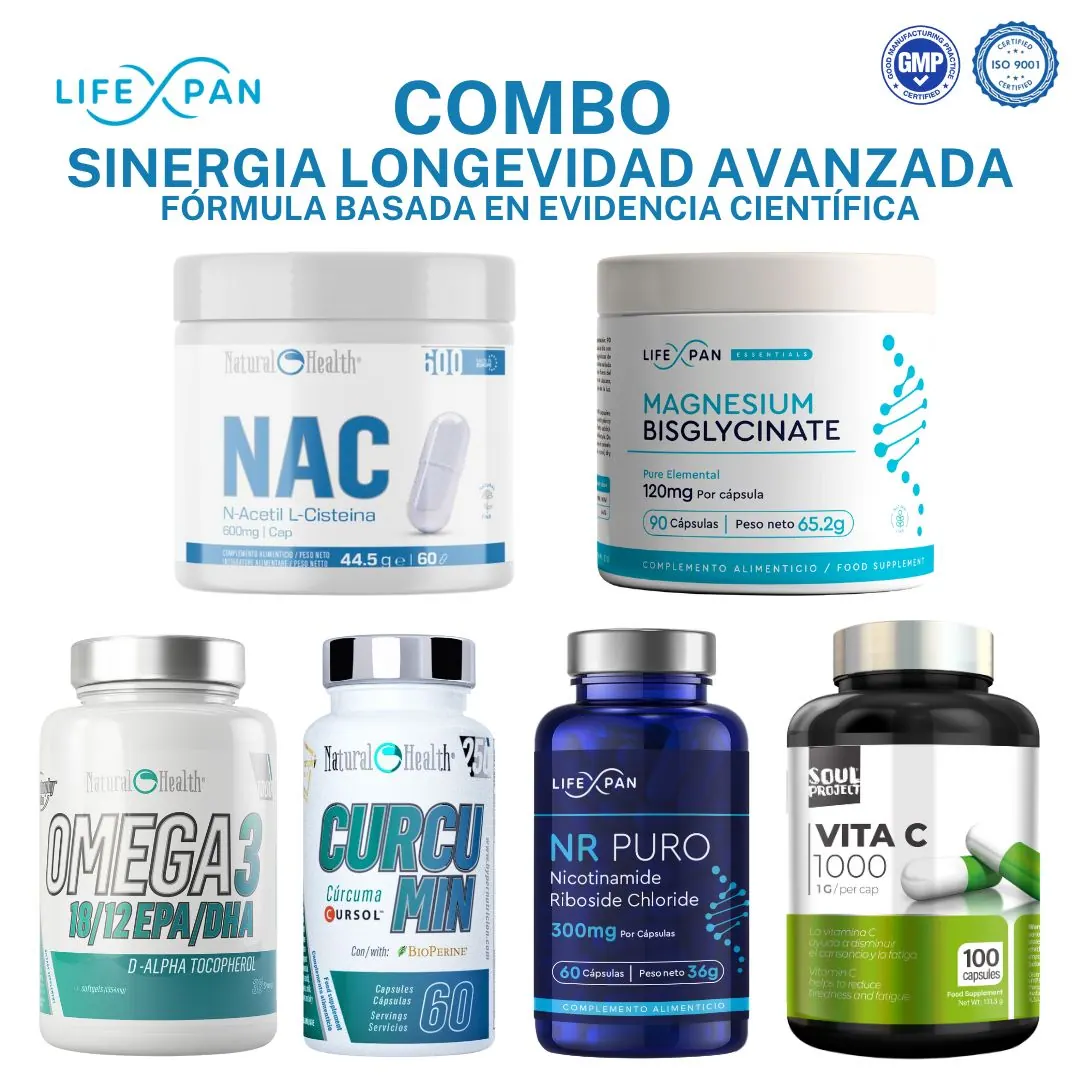
One advantage of NAC is that it works alongside other antioxidant nutrients, mutually enhancing their benefits. Three supplements with which it has a proven synergy are:
NAC + LifeXpan® Pure NR (Nicotinamide Riboside):
Both compounds act on complementary metabolic pathways: NAC supports glutathione synthesis (a powerful antioxidant), while NR raises NAD⁺ levels, which are crucial for mitochondrial function and cell repair. However, a direct synergy between NAC and NR has not yet been confirmed in large-scale clinical trials. Most of the evidence so far comes from animal or in vitro studies, which suggest that the combination could improve cellular function and help manage oxidative stress, though these findings need to be replicated in humans before precise protocols can be established.
NAC + Glycine:
Glycine is another precursor needed to make glutathione, alongside the cysteine provided by NAC. Studies in older adults reveal that the combination of NAC + glycine raises cellular glutathione more effectively than NAC alone, translating into greater improvements in health markers. In practice, this duo (GlyNAC) has been shown to reverse ageing indicators and improve strength and mitochondrial function, thanks to both providing the building blocks needed to synthesise glutathione in optimal amounts.
NAC + Selenium:
Selenium is an essential trace element that forms part of the enzyme glutathione peroxidase, which uses glutathione to neutralise free radicals. Taking NAC together with selenium has an enhancing effect: selenium activates the enzymes that make use of glutathione, amplifying NAC's antioxidant benefits. In turn, NAC helps maintain the glutathione availability that selenium needs for these enzymes to work. This synergy strengthens the antioxidant system and boosts immunity more than either nutrient alone. This is why some “immune support” supplements combine NAC and selenium to enhance defence against infections.
NAC + Antioxidant vitamins + Omega 3:
The glutathione regenerated by NAC helps recycle other antioxidant vitamins, such as vitamin E and vitamin C, prolonging their protective action in the body. In the case of vitamin E, studies in women with infertility have shown that combined therapy with NAC + vitamin E (plus omega-3 fatty acids and vitamin A) improved egg quality and increased ovulation and pregnancy rates. This suggests that NAC creates a more reduced (less oxidised) cellular environment in which vitamins such as E can act more effectively. Overall, combining NAC with an antioxidant cocktail (vitamins C, E, carotenoids) may offer more complete protection against oxidative stress than any of them alone.
NAC + Vitamins (vitamin C and other antioxidants):
Studies conducted in contexts of acute oxidative stress (such as in critically ill patients or those with lung disease) indicate that combining NAC with high doses of vitamin C and other antioxidants may enhance the body's antioxidant capacity. These studies show that:
• NAC helps replenish glutathione, essential for neutralising free radicals.
• Vitamin C acts directly as an antioxidant and can regenerate other antioxidants, including glutathione itself.
Some trials have reported reductions in biomarkers of oxidative damage and improvements in immune function when both are administered together, although the extent of the clinical benefit varies depending on the dose and the population studied. In summary, while the results are promising, the evidence is still mixed, and more controlled studies are needed to confirm a definitive synergy.
References:
- Wang, X., et al. (2016). “Synergistic Antioxidant Effects of N-Acetylcysteine and Curcumin in Experimental Models of Oxidative Stress.” Oxidative Medicine and Cellular Longevity.
- Respiratory (COPD and bronchitis): Zheng, Y., Zhang, H., & Li, W. (2019). Efficacy and Safety of N-Acetylcysteine in Chronic Obstructive Pulmonary Disease: A Meta-Analysis. Respiratory Medicine, 152, 14–23.
- Psychiatry (depression and bipolar disorders): Berk, M., Dean, O., Cotton, M. A., Gama, C. S., Kapczinski, F., & Ng, F. (2014). The Promise of N-Acetylcysteine in Psychiatry. Biological Psychiatry, 75(7), 512–519.
- Addictions: LaRowe, S. D., Myrick, H., Mardikian, P., & Palmer, A. (2015). N-Acetylcysteine in the Treatment of Substance Use Disorders: A Systematic Review and Meta-Analysis. Journal of Addiction Medicine, 9(3), 209–219.
- Polycystic Ovary Syndrome (PCOS) and fertility: Palomba, S., Falbo, A., Zullo, F., & Russo, T. (2018). N-Acetylcysteine in Polycystic Ovary Syndrome: A Systematic Review and Meta-Analysis. Reproductive Biology and Endocrinology, 16(1), 85.
- Autism: Hardan, A. Y., Fung, L. K., Libove, R., Obukhanych, T. V., Nadebaum, C., Pomeroy, J., … & Rojas, D. C. (2017). N-Acetylcysteine for Autism Spectrum Disorder: A Meta-Analysis of Randomized Controlled Trials. Autism Research, 10(3), 423–431.
- Efficacy of N-acetylcysteine for patients with depression: An updated systematic review and meta-analysis - PubMed (nih.gov)
- Influence of N-acetylcysteine on chronic bronchitis or COPD exacerbations: a meta-analysis - PubMed (nih.gov)
- N-Acetylcysteine for Polycystic Ovary Syndrome: A Systematic Review and Meta-Analysis of Randomized Controlled Clinical Trials - PMC (nih.gov)