
 USD
 Spain & Europe · EUR
 Mexico · MXN
The Rebirth of Cells: How Yamanaka Factors are Redesigning Human Ageing
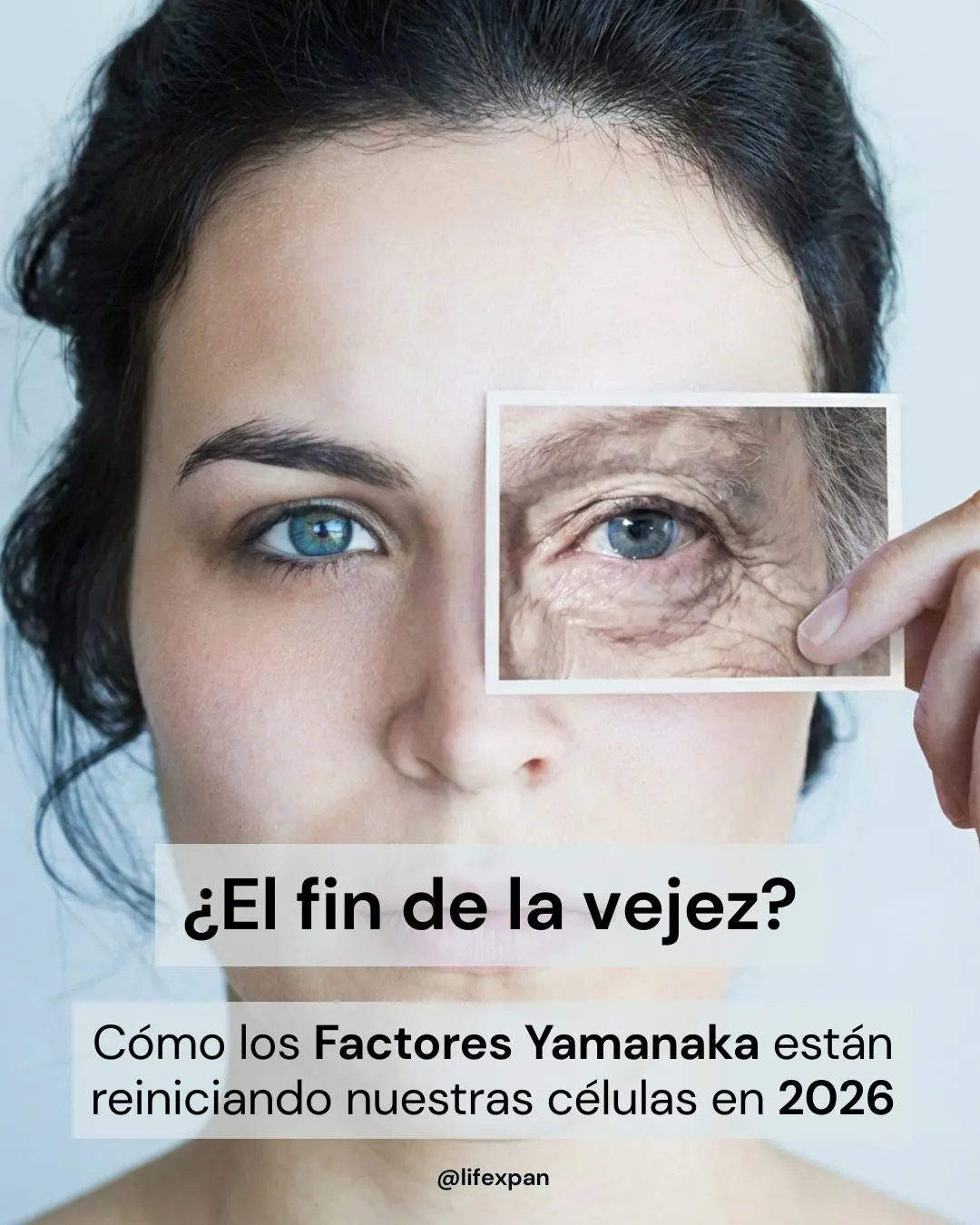
For centuries, humanity has accepted ageing as an inevitable process of decline, a biological "sentence" we simply have to accept. However, well into 2026, science has taken a radical turn. We no longer see the passage of time as an irreparable loss of information, but as a "reading error" that can be corrected.
Imagine your body is a computer and your DNA is the programming code. Over the years, the software fills up with errors ("bugs") and the system slows down. Epigenetic reprogramming is, in essence, the "reset" button that returns your cells to their factory settings: a youthful, functional state, full of energy.
What are the Yamanaka Factors?
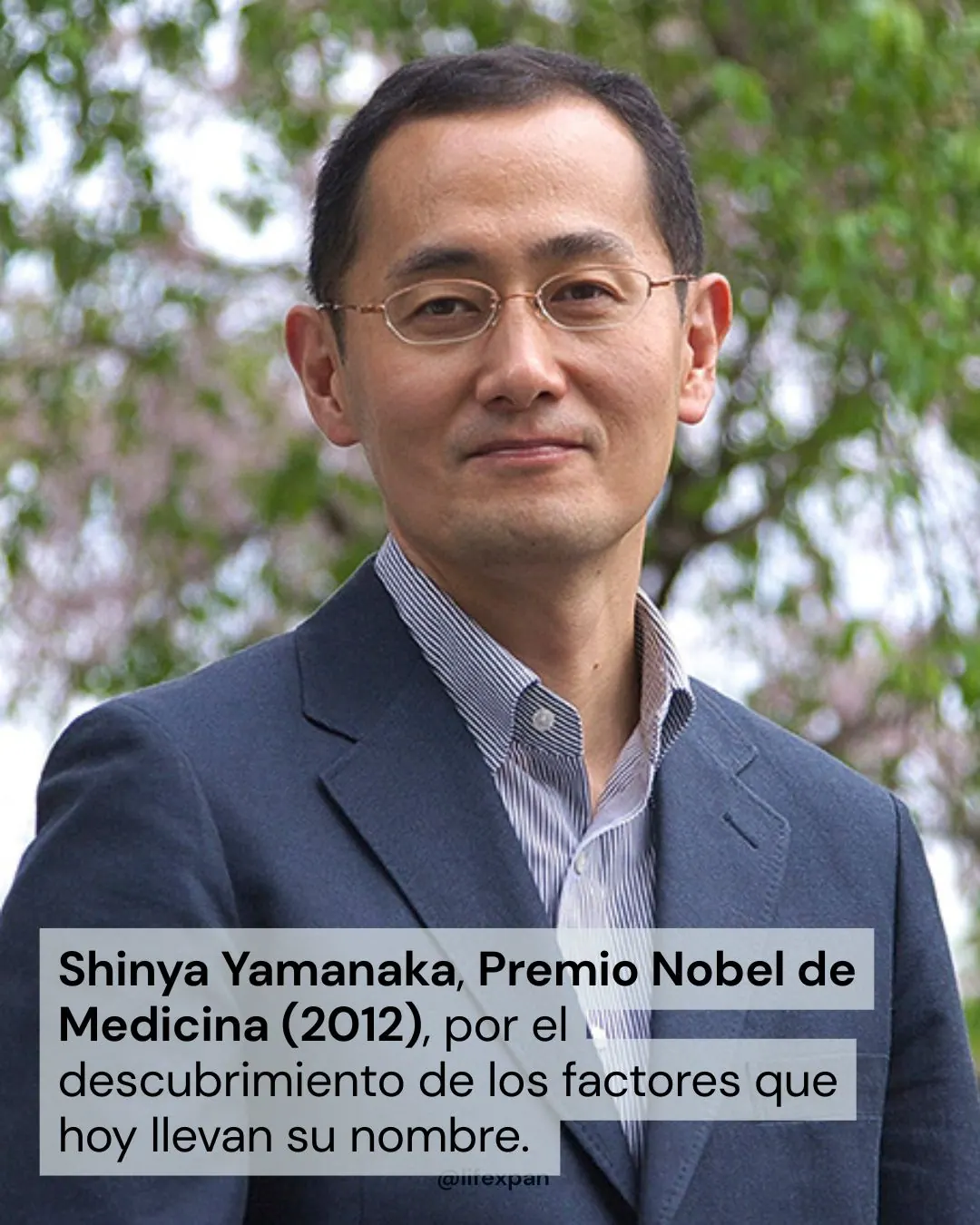
To understand this milestone, we need to travel back to 2006, when the Japanese scientist Shinya Yamanaka discovered that he could convert an adult cell (such as a skin cell) into an embryonic stem cell. He achieved this using four master proteins, now known worldwide as the Yamanaka Factors: OCT4, SOX2, KLF4 and c-MYC (abbreviated as OSKM).
This discovery, which earned him the Nobel Prize, showed that a cell's identity is not fixed. However, there was a problem: if we fully reprogramme a person's cells, they lose their function (a neurone would stop being a neurone), which would cause organ failure or cancer.
The solution: Partial Reprogramming
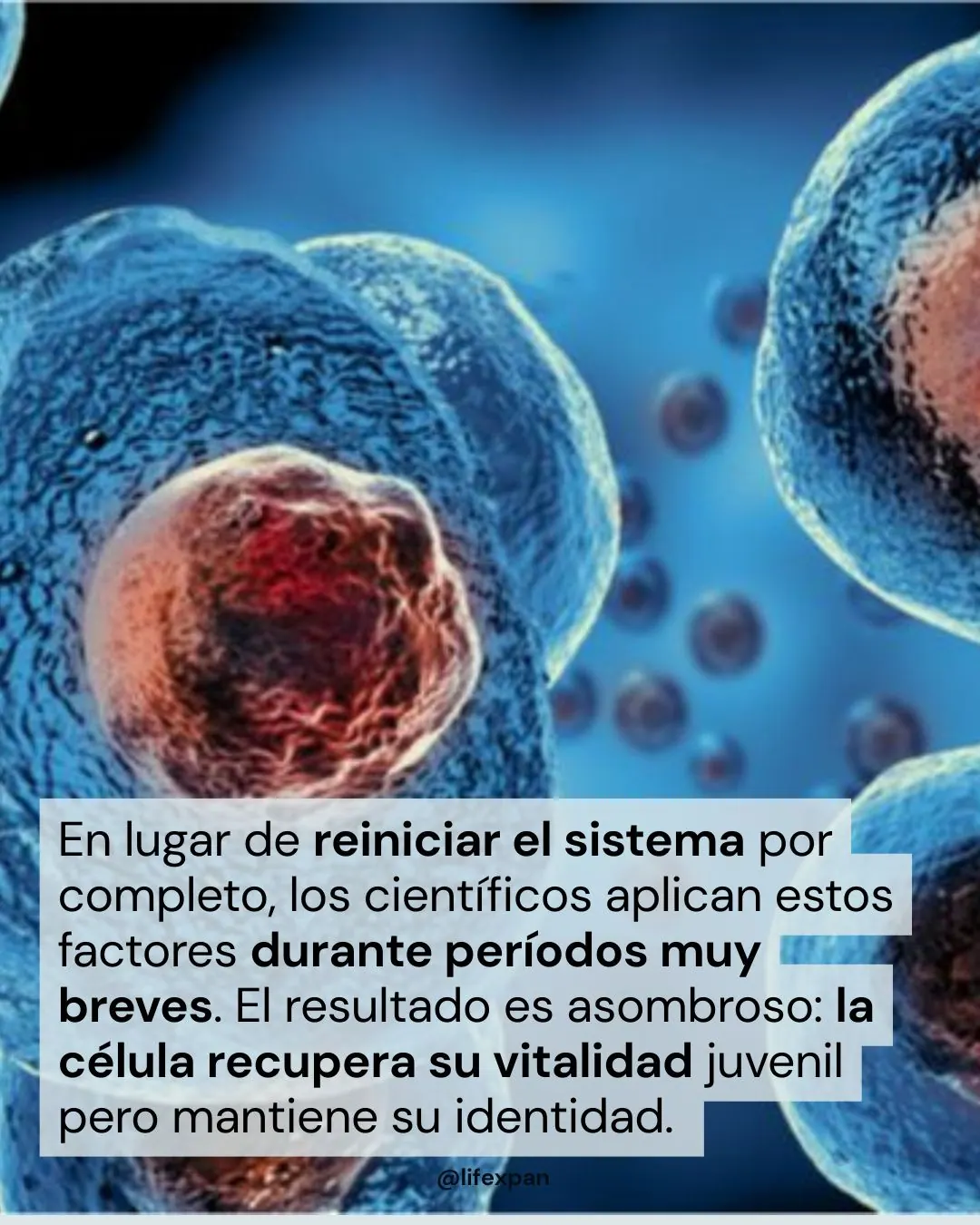
The real revolution today is transient reprogramming. Instead of resetting the system completely, scientists apply these factors for very brief periods. The result is astonishing: the cell regains its youthful vitality but keeps its identity. A heart cell remains a heart cell, but now it beats with the strength of a young cell.
The Information Theory: Why do we age?
Modern research proposes the Information Theory of Ageing. This suggests that our cells don't age because their DNA breaks down, but because they lose the ability to read it correctly due to epigenetic "noise".
As we age:
- DNA becomes poorly packaged (loss of chromatin).
- Incorrect chemical marks appear (DNA methylation).
- The cell nucleus becomes deformed.
The Yamanaka factors act as a molecular clean-up crew that removes this noise, allowing the cell to "read" its instructions for health and youth once again.
Real Benefits: From Theory to the Clinic in 2026
What does this mean for you? It's not just about living more years, but about living them in good health (Healthspan). Here are the most promising applications already underway:
1. Restoring Vision
One of the most well-documented successes (led by Dr David Sinclair) has been the treatment of glaucoma and age-related vision loss. Using an optimised version called the OSK protocol (which removes the c-MYC factor for greater safety), researchers have managed to regenerate the optic nerve in primates and mice, restoring their sight. The ER-100 clinical trial is currently the first in humans to treat these eye conditions.
2. Brain Health and Cognition
Partial reprogramming in the brain has proven capable of:
- Increasing neurone survival.
- Improving memory and learning by restoring synaptic plasticity.
- Reducing biomarkers associated with Alzheimer's, such as beta-amyloid plaques.
3. Organ and Tissue Regeneration
In animal models, this treatment has extended lifespan by 30%, improving skin healing, pancreatic function and muscle strength. In 2026, companies such as Retro Biosciences and NewLimit are using Artificial Intelligence to design synthetic versions of these factors (such as RetroSOX), which are 50 times more potent and far safer than the originals.
Safety and the Future: A Pill for Youth?
Although these therapies initially require genetic engineering (using harmless viruses to deliver the factors), science is moving towards chemical reprogramming. "Cocktails" of conventional drugs are being tested that could induce these same effects without altering DNA, allowing for more uniform and safer treatment.
The Epigenetic Clock: Measuring Success
To find out whether these therapies are working, doctors use "methylation clocks", such as DunedinPACE. This test acts as a "speedometer" for your biological ageing, allowing treatment to be adjusted according to how quickly your body is rejuvenating at the cellular level.
Ethics and Access: The Great Challenge
The potential is immense, but it raises serious questions. If ageing is treatable, will it be a luxury only for the few? It's estimated that increasing global healthy life expectancy by just 2.5 years would generate an economic value of 38 trillion dollars. The challenge for 2026 and beyond is to ensure these "personalised cures" reach public health systems.
Conclusion
We are leaving behind the era of medicine that merely "patches" symptoms. With Yamanaka factors, we are entering the era of systemic regenerative medicine. The ultimate goal is not immortality, but that at 80 or 90 years old, our cells retain the homeostasis and energy of a 30-year-old.
Ageing has gone from being a fate to being a dynamic state and, for the first time in history, a treatable one.
Sources used
Los Factores Yamanaka y la Reprogramación Celular Parcial
Revertir el envejecimiento, cada vez más cerca
Epigenetic Reprogramming as a Tool for Molecular Regeneration and Disease Reversal
Científicos de Harvard logran revertir el envejecimiento celular reprogramando las células
Mechanisms, pathways and strategies for rejuvenation through epigenetic reprogramming
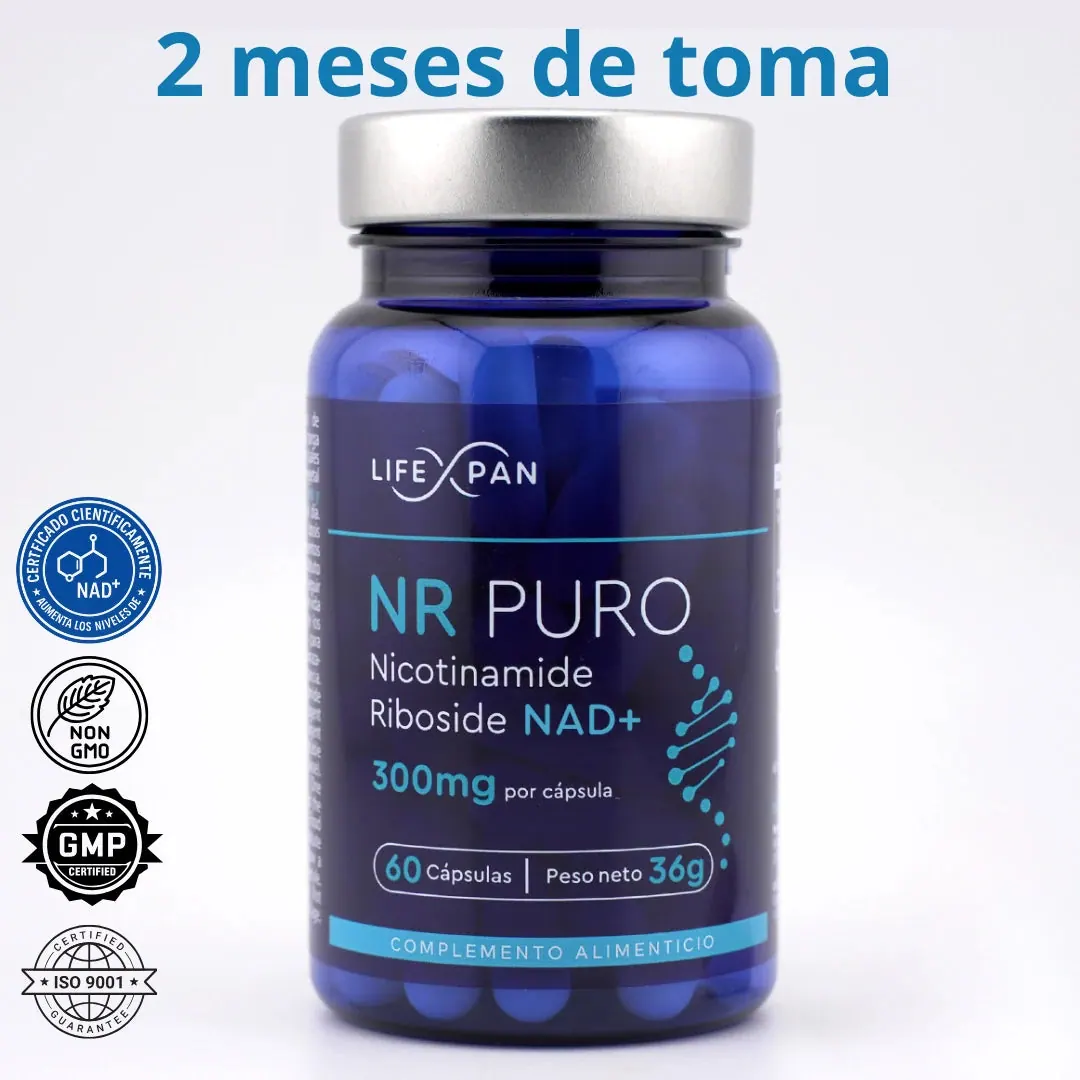
And while science advances and becomes more accessible, there's already something you can do directly to support the better functioning of your mitochondria and, in turn, your cells: taking supplements such as Nicotinamide Riboside (NR), which raises NAD+ levels in the body, optimising cellular energy production (ATP), protecting DNA integrity and strengthening the resilience of tissues with high metabolic demand, such as the heart, brain and retina, against the deterioration caused by ageing.
At Lifexpan we offer it in this version:
Or in this Combo for your Longevity

Cellular biohacking iPSC cells Yamanaka factors Healthspan Tissue homeostasis Artificial Intelligence in biotechnology Extreme longevity Regenerative medicine DNA methylation Cellular plasticity OSK Protocol Cellular rejuvenation Epigenetic clocks Epigenetic reprogramming Information theory of ageing