
 USD
 Spain & Europe · EUR
 Mexico · MXN
The Biological Clock in the Cell: Mitochondria and Longevity

The search for eternal youth, or at least for healthy longevity, has been a constant throughout human history. Today, science is turning its attention to a fundamental component of our cells to understand this process: the mitochondria. A central theory, increasingly supported by research, suggests that we age as quickly as our mitochondria deteriorate. These "powerhouses" are the true biological clock, whose functional state sets the pace of our ageing.
What Are Mitochondria?
Mitochondria are organelles found in the cytoplasm of most eukaryotic cells (those with a defined nucleus) — in other words, practically every cell in our body, with the exception of mature red blood cells. They are vital structures, often described as tiny "energy factories". What makes them unique is that they carry their own genetic material, mitochondrial DNA (mtDNA), inherited exclusively through the maternal line.
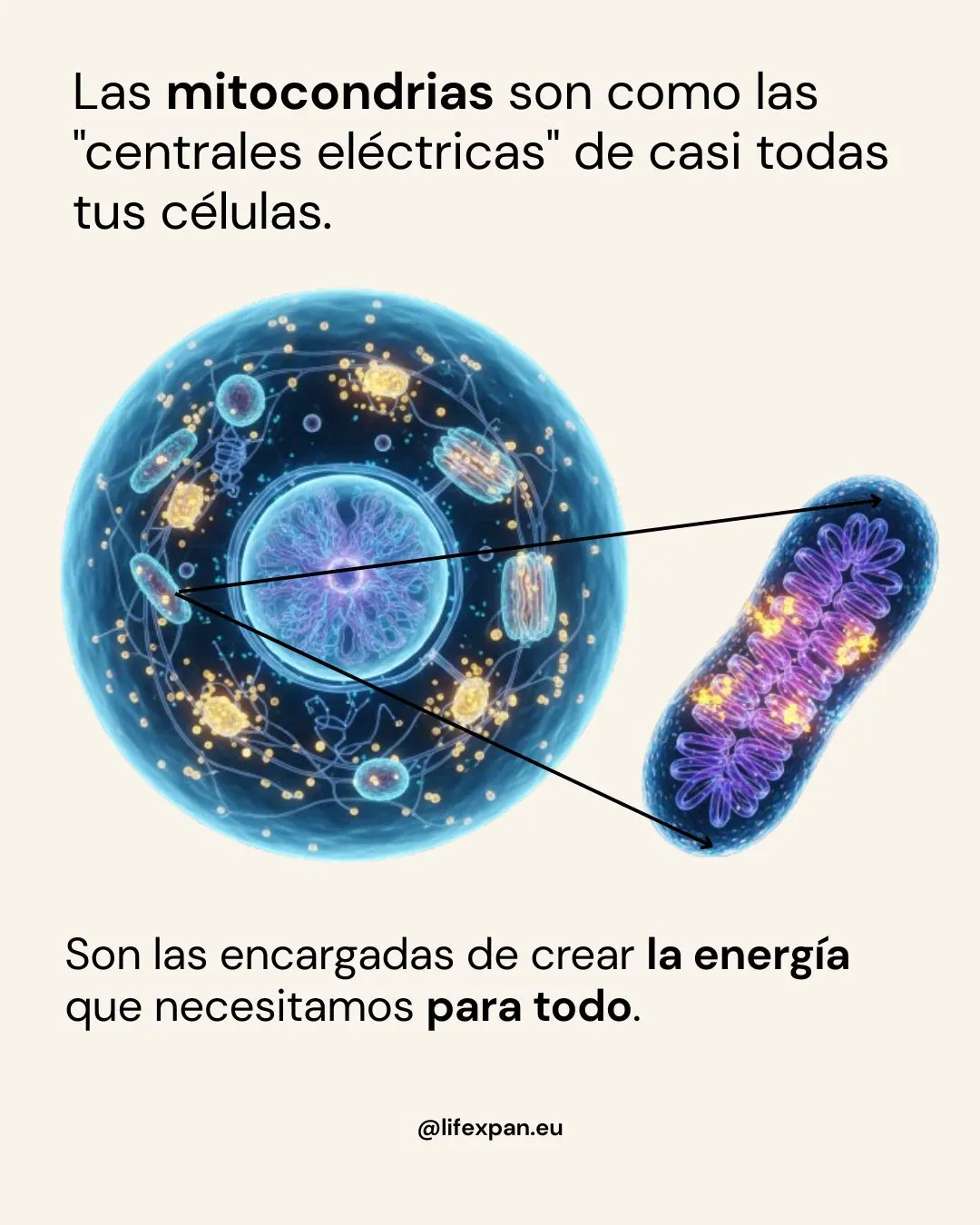
Vital Functions: Far More Than Just Energy
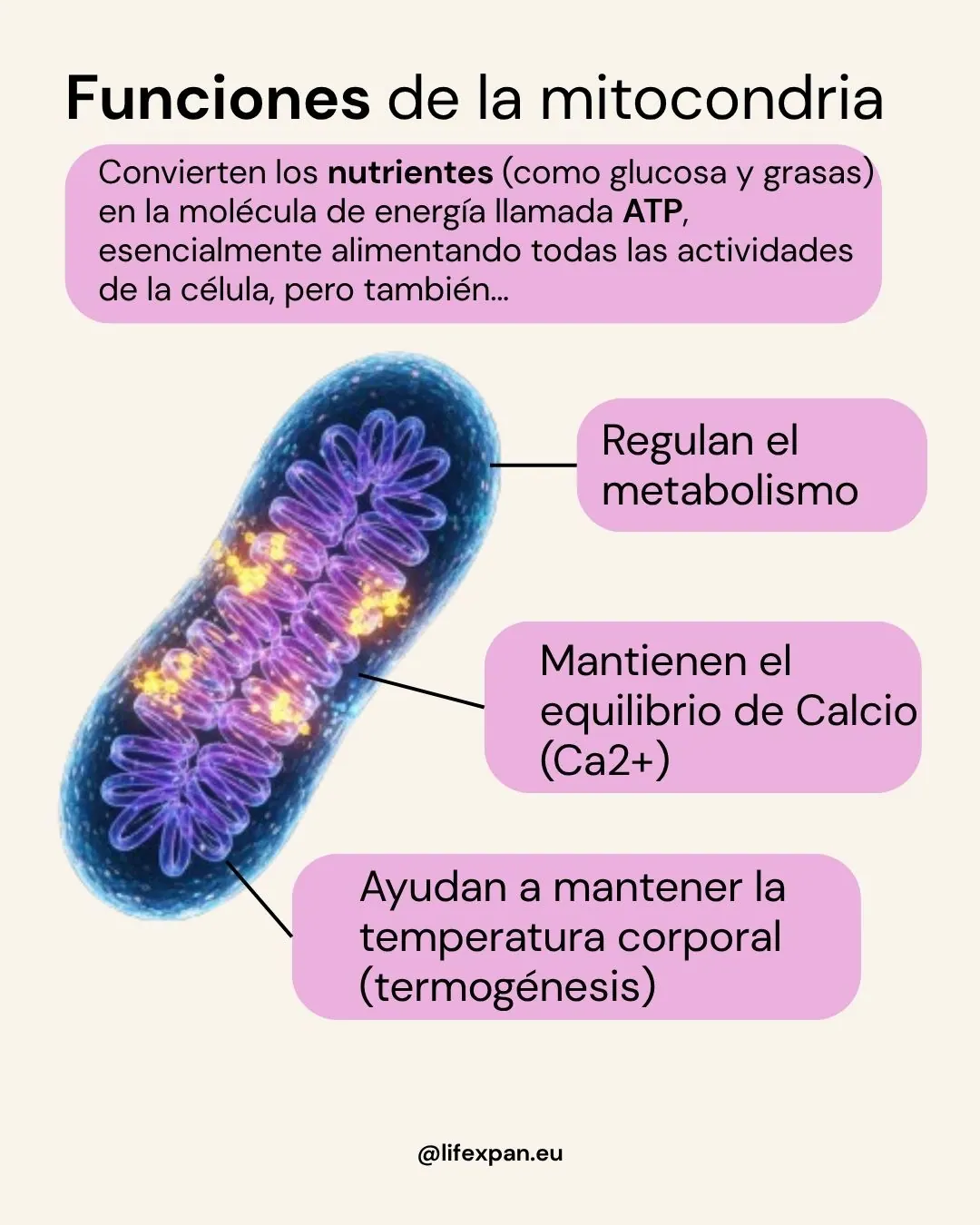
Although their best-known and most crucial role is producing energy, mitochondria play a much broader part in cellular homeostasis and survival:
- Energy Production (ATP): Through the process of oxidative phosphorylation, they convert nutrients (glucose, fats) into ATP (adenosine triphosphate), the molecule that acts as the main energy currency for almost all cellular processes (muscle contraction, nerve transmission, molecule synthesis, and more).
- Regulating Programmed Cell Death (Apoptosis): Mitochondria act as guardians of cellular life. If a cell is irreparably damaged or undesirable (for example, an infected or potentially cancerous cell), mitochondria can release signals that coordinate its controlled self-destruction — a process essential for tissue health.
- Calcium Homeostasis and Cell Signalling: They help regulate calcium ion concentration in the cytoplasm, which is vital for cell signalling.
- Metabolism: They are involved in the metabolism of fats and amino acids.
Healthy vs. Dysfunctional Mitochondria
The state of our mitochondria has a direct impact on an individual's health and longevity:
What Healthy Mitochondria Bring About:
- High Energy Efficiency: Consistent, efficient ATP production, which translates into optimal vitality, physical performance and mental sharpness.
- Low Free Radical Production: They minimise the generation of Reactive Oxygen Species (ROS), harmful by-products of metabolism.
- Cellular Upkeep: The ability to trigger Mitochondrial Biogenesis (the creation of new mitochondria) and Mitophagy (the selective removal of damaged mitochondria), keeping the mitochondrial network young and robust.
- Resilience: Improved capacity for cells to cope with stress.
What Dysfunctional Mitochondria Bring About (Mitochondrial Dysfunction):
Over time, due to oxidative stress, damage to mtDNA and metabolic inefficiency, mitochondria deteriorate. This is a hallmark of ageing:
- Low Energy Production: The cellular engine runs at lower power, leading to symptoms such as chronic fatigue, reduced physical and mental performance, and weakness.
- Increased Oxidative Stress: Damaged mitochondria produce an excessive amount of ROS, which acts as a vicious cycle, damaging even more proteins, lipids and mtDNA itself, and accelerating cellular ageing and tissue damage.
- Inadequate Activation of Apoptosis or Inflammation: They may fail to trigger apoptosis in damaged cells or, worse still, may activate chronic low-grade inflammatory pathways, linked to most age-related diseases.
- Association with Disease: Mitochondrial dysfunction is directly linked to neurodegenerative diseases (Alzheimer's, Parkinson's), type 2 diabetes, cardiovascular disease and sarcopenia (age-related loss of muscle mass).
The Path to Healthy Mitochondria
Given their fundamental role in longevity, science has identified key strategies to preserve and optimise mitochondrial function:
- Regular Physical Exercise (Especially HIIT and Endurance Training): Exercise is perhaps the most powerful promoter of mitochondrial biogenesis. When muscle cells demand more energy, they are forced to create new, more efficient mitochondria and eliminate the old ones.
- Calorie Restriction and Intermittent Fasting: These habits induce a state of "mild metabolic stress" that activates cellular repair pathways, including mitophagy (clearance of damaged mitochondria) and biogenesis.
- Optimal Nutrition: A diet rich in antioxidants (fruits, vegetables, spices) to neutralise free radicals. Specific nutrients such as B vitamins, magnesium and omega-3 fatty acids are crucial for the integrity and function of the mitochondrial membrane.
The Role of the NR (Nicotinamide Riboside) Supplement
Nicotinamide Riboside (NR) is a supplement that has attracted great attention in ageing research. It acts as a precursor to NAD+ (Nicotinamide Adenine Dinucleotide).
Why is NAD+ important?
NAD+ is a fundamental molecule involved in hundreds of cellular processes, but it is especially crucial for mitochondrial energy metabolism and the activation of sirtuins (known as the "longevity proteins"), which repair DNA and regulate cellular health.
NAD+ levels decline dramatically with age, which is considered a key factor in mitochondrial deterioration.
The Role of NR in Mitochondria:
By supplementing with NR, the goal is to increase cellular NAD+ levels. Studies suggest that by raising NAD+, NR may:
- Promote Mitochondrial Biogenesis: Stimulating the formation of new mitochondria, especially in muscle tissue.
- Improve Mitochondrial Function: By supplying the essential fuel (NAD+) for the electron transport chain, optimising ATP production.
- Increase Cellular Resilience: Through the activation of sirtuins, which depend on NAD+ for their function, improving DNA repair and reducing inflammation associated with ageing.
In short, by raising NAD+, Nicotinamide Riboside could be a promising dietary strategy to combat age-related energy decline and support mitochondrial function, making it a tool in the fight against biological ageing. Caring for our mitochondria is, in essence, the deepest way to invest in our own longevity.
Keep exploring the world of mitochondria and longevity:
Nicotinamide riboside improves muscle mitochondrial biogenesis, satellite cell differentiation, and gut microbiota in a twin study
Mitochondrial theory of ageing
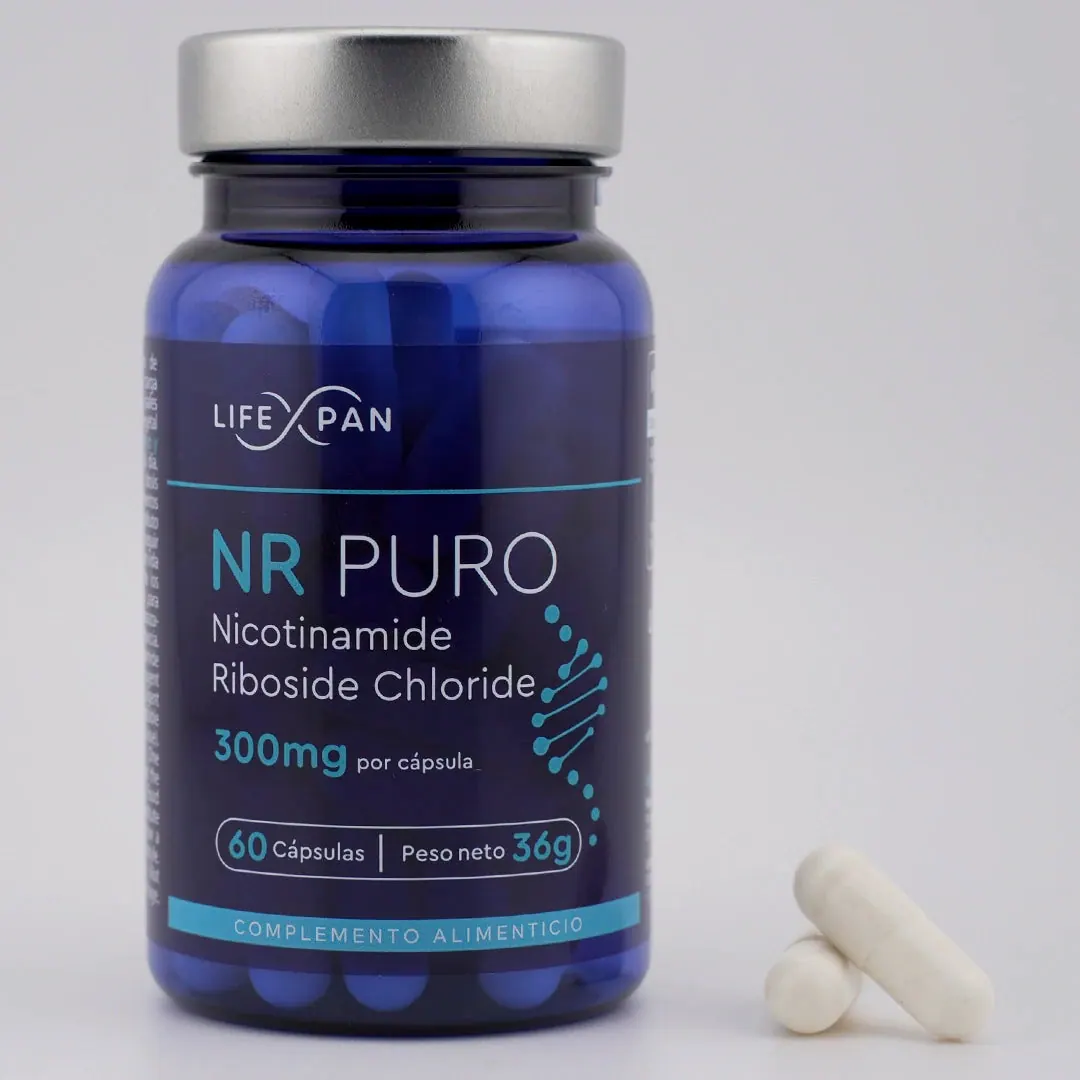 Keep your mitochondria healthy, and you'll see results in less than a week with a daily capsule of our NR. VIEW
anti-envejecimiento cellular anti-ageing ATP mitochondrial dysfunction Energy longevidad mitocondrias NAD+ nicotinamide riboside metabolic health mitochondrial theory of ageing