
 USD
 Spain & Europe · EUR
 Mexico · MXN
Scientists reveal the mitochondrial secret behind your social happiness

Did you know the key to your best social memories could lie in the batteries of your cells?
A study from Virginia Tech has turned the spotlight on the CA2 hippocampus, that discreet brain region responsible for recognising faces, names and contexts, and has discovered that its mitochondria are far more than simple energy generators.
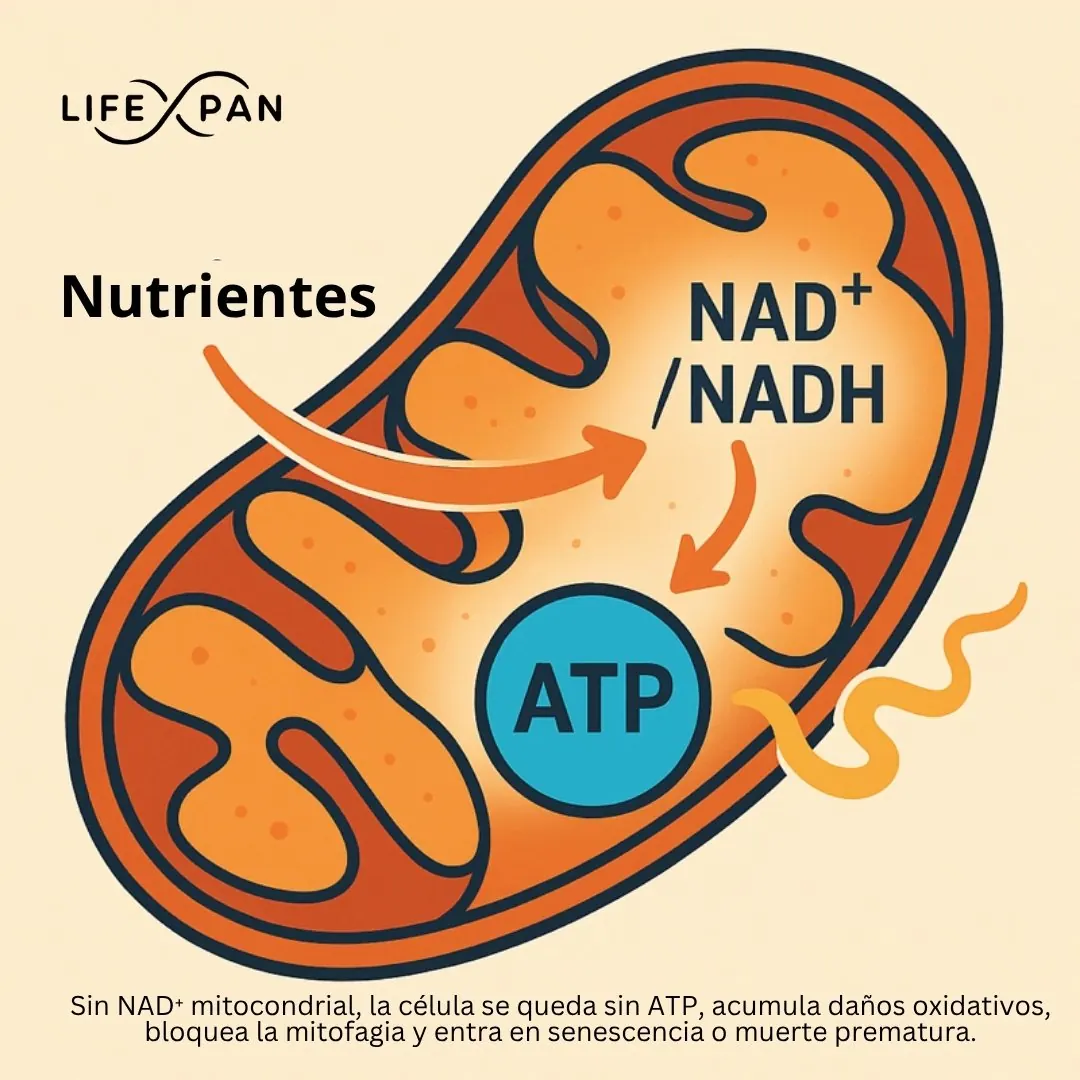
and heads up... Without NAD⁺ in the mitochondria… brace yourself for an energy apocalypse. 😬 Without mitochondrial NAD⁺, the cell runs out of ATP, accumulates oxidative damage, blocks mitophagy, and slides into senescence or premature death.
What are mitochondria?
Mitochondria are:
-
The cell's “power plants”: they turn nutrients into ATP, the energy currency your cells run on.
-
Organelles with their own DNA: remnants of ancient bacteria that merged with our cells millions of years ago.
-
Regulators of life and death: they control apoptosis (cell suicide) and maintain redox balance.
-
Metabolic sensors: they adjust their number, shape and activity according to energy demand and stress.
-
Key players in health and disease: their dysfunction is linked to ageing, neurodegeneration, diabetes and cancer.
A forward-thinking strategy: looking after your mitochondria — through better nutrition, exercise and rest — is a direct investment in your energy, longevity and cellular resilience.
The 7 most important things to look at
1. Social relationships: the first source of wellbeing

It's no exaggeration: countless surveys agree that connecting with others is the main driver of human happiness. Until now, though, we didn't know exactly how the brain used its resources to keep that spark alive.
2. The starring role of the CA2 region
Within the hippocampus, CA2 neurons act as guardians of social memory. These cells are constantly receiving new signals: an old friend's face, a colleague's gesture, the nuance of a conversation. To process all of that, they need fast, precise bursts of energy.
3. MCU: the channel that makes the difference
The team led by Pannoni et al. found that the Mitochondrial Calcium Uniporter (MCU) is overrepresented in the distal dendrites of CA2 neurons. There, right at the frontier where social signals arrive, MCU regulates calcium entry into the mitochondria, switching on ATP production exactly when it's needed.
4. Bespoke mitochondria: form and function
Not all mitochondria are created equal. In the distal areas of CA2 neurons, they're longer and more tubular — a design that maximises the ability to generate energy on demand. If these mitochondria lose their calcium or suffer damage, synaptic plasticity — the ability to strengthen neural connections — is compromised.
5. Practical consequences: forgetting your brother-in-law and more…
When MCU fails, synaptic plasticity weakens and the consolidation of social memories suffers. In practical terms, that means it becomes harder to match a name to a face or recall the feeling of a conversation. At the extreme, studies in animal models suggest this dysfunction predisposes to conditions such as Alzheimer's, schizophrenia or social autism.
6. Therapeutic implications and strategic vision
This finding opens the door to therapies aimed at boosting MCU or optimising mitochondrial morphology in CA2. Imagine developing a treatment that enhances the capacity of these mitochondria exactly where it matters most: it could improve social memory in patients with dementia or autism spectrum disorders.
7. Conclusion
In a world moving at the speed of a notification, our social relationships hang from a fine biochemical thread. Thanks to this research, we now know that optimising the mitochondrial “fuel” in CA2 isn't just a lab matter: it's the strategy for preserving our main source of happiness.
8. NAD+ in the mitochondria
-
Essential redox coenzyme: Accepts electrons in the Krebs cycle, becoming NADH, which fuels the electron transport chain to generate ATP.
-
Biogenesis signalling: Activates sirtuins (SIRT3, SIRT5) that deacetylate mitochondrial enzymes, improving efficiency and protection against oxidative stress.
-
Mitophagy regulator: Maintains the balance of healthy mitochondria, promoting the selective removal of damaged ones.
-
Dynamic reservoir: Mitochondria can release or take up NAD⁺ depending on cellular demand, stabilising overall metabolism.
-
Stress and ageing modulator: Adequate levels protect mitochondrial DNA and delay signs of senescence.
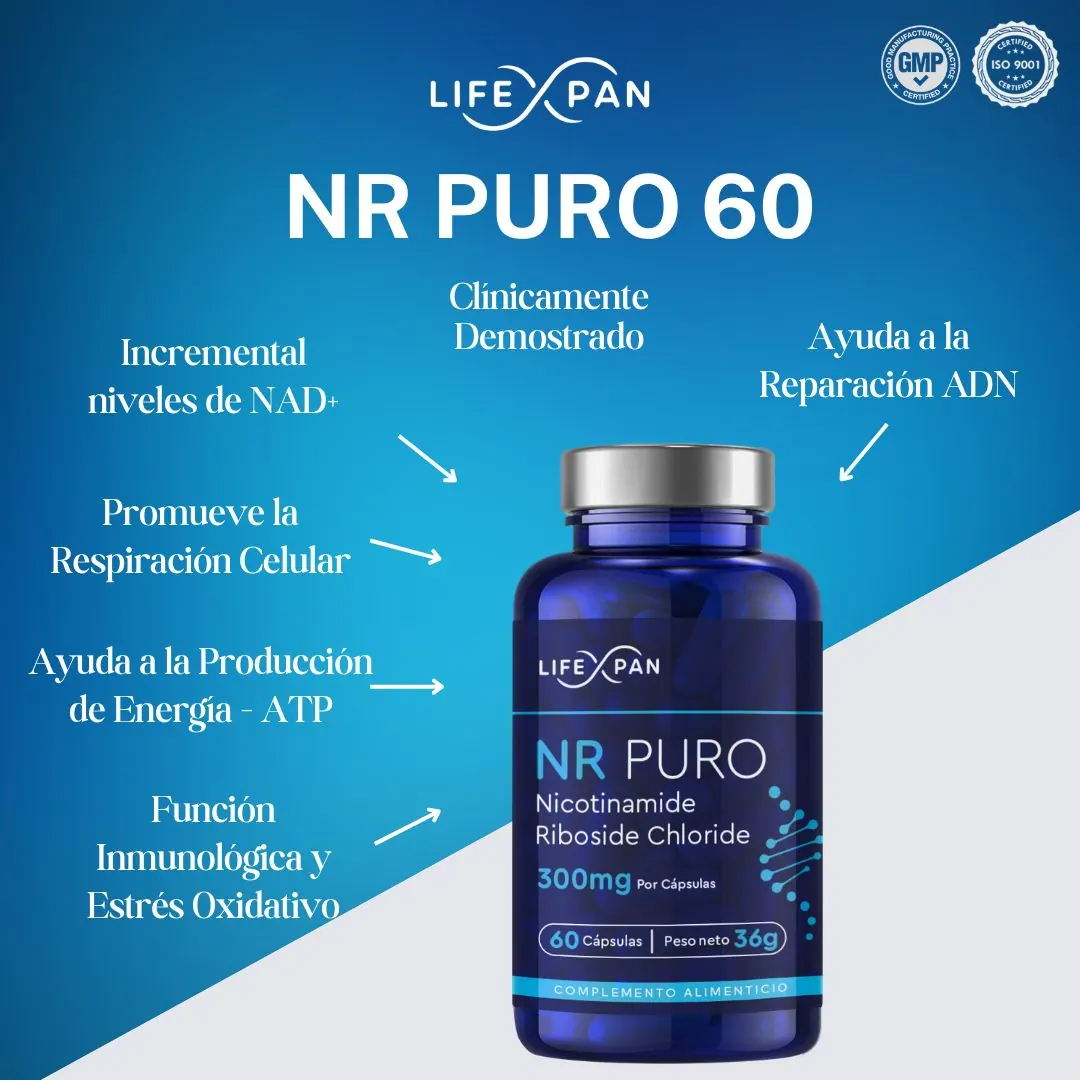
Start boosting your NAD+ levels today with LifeXpan NR Puro
References
– Virginia Tech News: “Mitochondrial calcium uniporter in CA2 neurons…” news.vt.edu
– Pannoni et al., “MCU expression in hippocampal CA2 neurons modulates dendritic mitochondrial morphology and synaptic plasticity”, Scientific Reports 15(1):4540 (2025). PubMed
ciencia felicidad NAD+ nr new discoveries